The Promotional Trap: How Brands Trained Customers to Wait for Sales

The Diagnosis: How Promotion-Led Growth Created Customer Addiction
There was a time when a 10% storewide discount sent shoppers running through the doors. Today, even 20% off barely moves the needle.
That shift didn’t happen because customers became more demanding. It happened because brands trained them to wait and in the process, became the dealers of their own addiction.
“We were feeding customers a drug to win their loyalty,” admits Henry Christian, Head of Loyalty, Marketing & Partnerships at Metro Singapore. “We were essentially bribing our way into their wallets and now that addiction is biting us back.”
Across APAC, discounting has become the default growth lever. Double-day campaigns (6.6, 11.11, payday sales) blur into one long promotional calendar.
Reno Chow, SVP Commercial at IRVINS, calls out the deeper mechanism behind this behaviour: price anchoring.
“Each round of discounting tells customers the real price is the promo price,” he explains. “Anything sold at full RSP later feels like a price increase.”
The result isn’t that customers disappear, it’s that they stop buying when you want them to.
The Hidden Maths: Why Margin Erosion Eventually Breaks the P&L
Discounting feels safe because it produces short-term sales spikes but the maths underneath is brutal.
Reno offers a stark example. If a brand earning 30% margin allows discounting to push margins down to 20%, it doesn’t need 10% more sales to recover, it needs more than 50% topline growth just to stand still.
At the same time, cost pressures only move in one direction.
“Rental, manpower, operations - they only go up,” Henry notes. “Once margin erosion sets in, your P&L enters a death spiral. Eventually, you can’t afford not to discount.”
This is where leadership teams often misread the signals.
A strong double-day campaign is mistaken for genuine demand, rather than what it often is: borrowed volume pulled forward at the expense of future weeks.
“When a double-day campaign outperforms a normal week, the instinct is to carry on with the momentum,” Reno explains. “Rather than asking whether customers are responding to discounts or whether the sales run rate can be sustained without them.”
The maths stops working long before dashboards turn red.
The Pivot: Communicating Value Beyond Price
Both leaders are clear: escaping the promotional trap isn’t about banning discounts altogether. It’s about redefining what customers perceive as value.
The Friction Point: Department Store Reality (Metro Singapore)
At Metro, the shift started with segmentation, not pricing.
Henry points to Minimuse, a curated range of miniature beauty products:

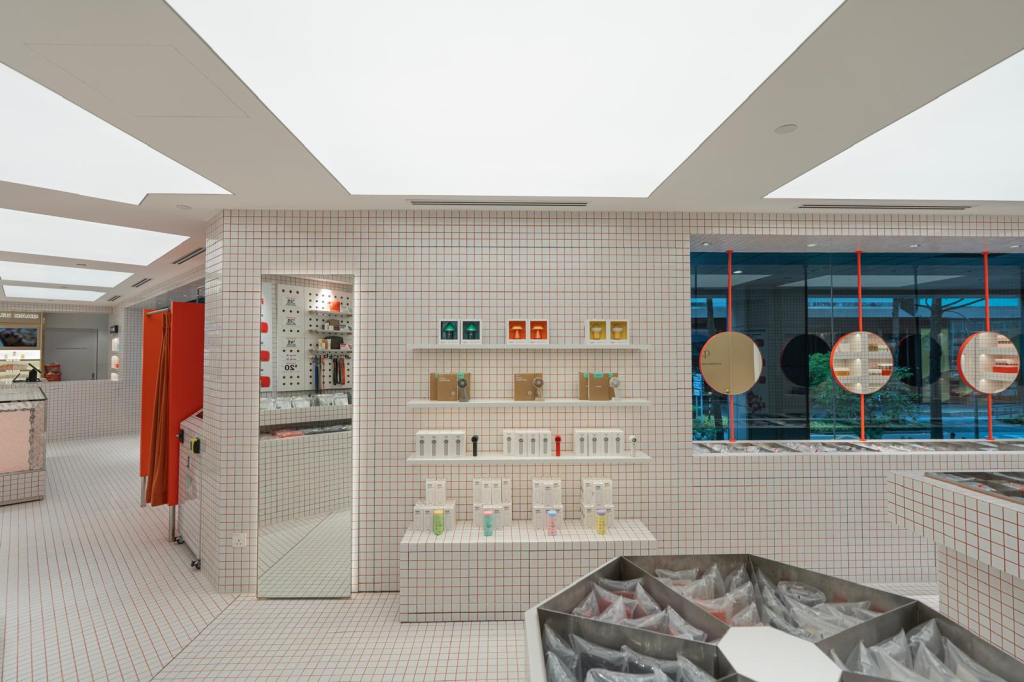
- For value-seeking customers, it’s positioned as small sizes, small spend, big variety
- For frequent travellers, the same products are framed as TSA-ready, no-hassle travel kits Same product.
Same price. Completely different value narrative.
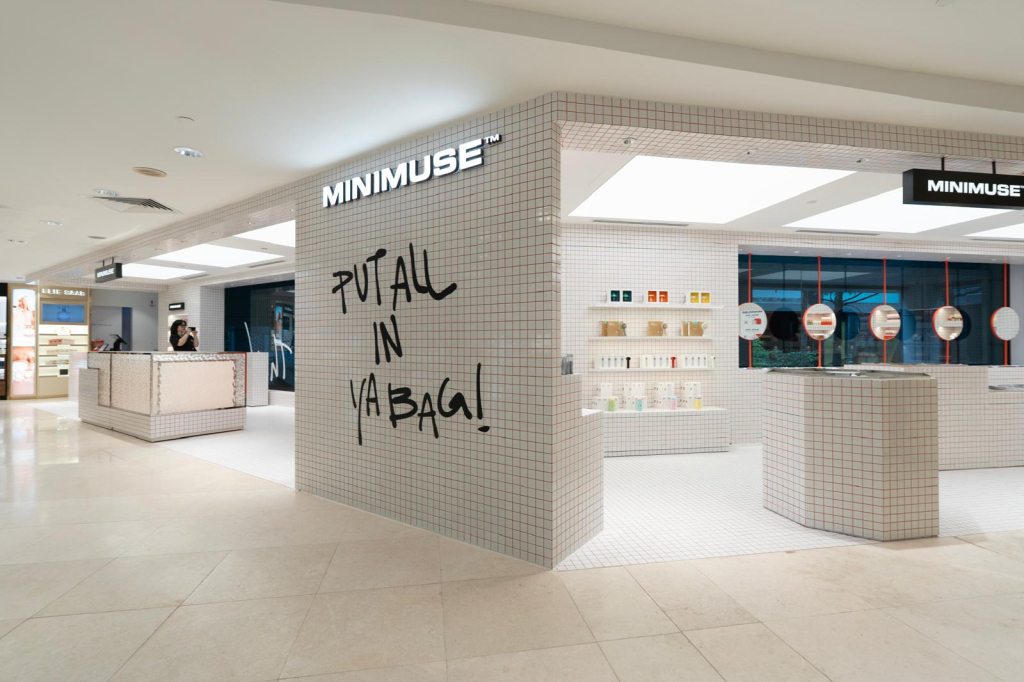
“The laziest assumption is that value equals cheap,” Henry says. “Different customers value speed, service, convenience, or experience. Our job is to speak the language they actually care about.”
When Metro relaunched its loyalty programme last November, it moved beyond points to complimentary in-store services, free parking, event invitations etc. Top-tier members received early access during Black Friday, what Henry calls “first bite at the cherries”, while welcome boxes were curated based on brands and items each member loved.
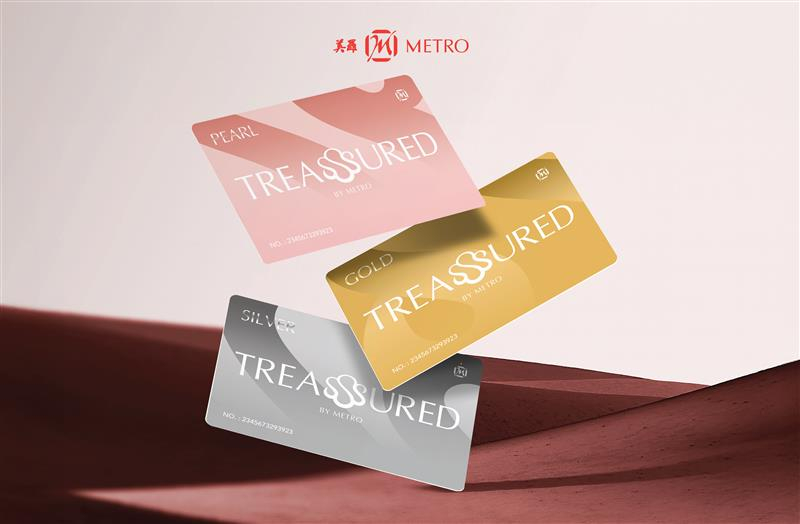
Discounts drive transaction urgency. Personalised value builds relationship stickiness.
“The equation shifts from ‘How little can I pay?’ to ‘How much am I getting?’ when value extends beyond the transaction,” Henry explains.
The Friction Point: FMCG D2C Reality (IRVINS)
At IRVINS, value is anchored in storytelling, product superiority, and occasion-based demand.
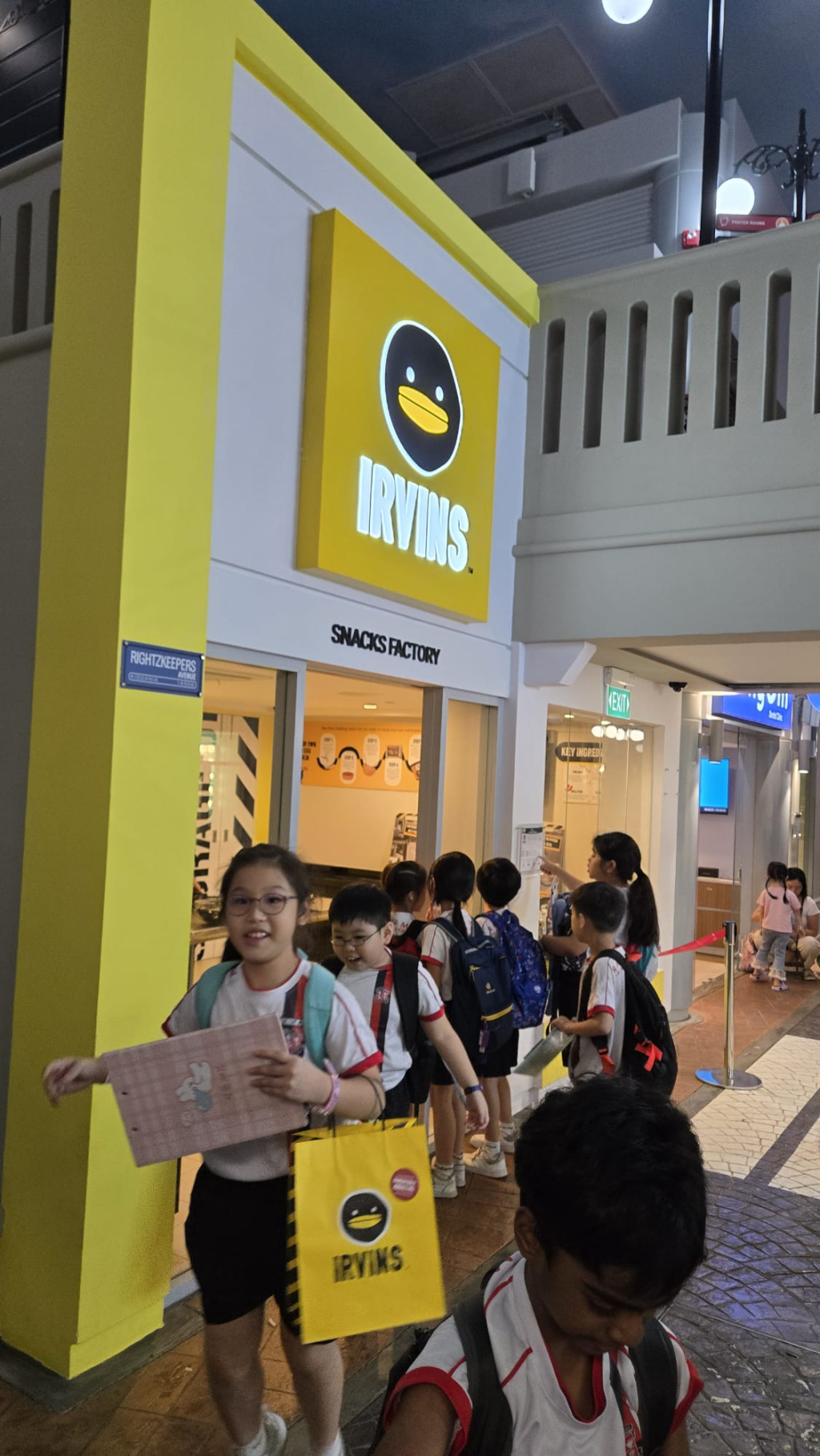
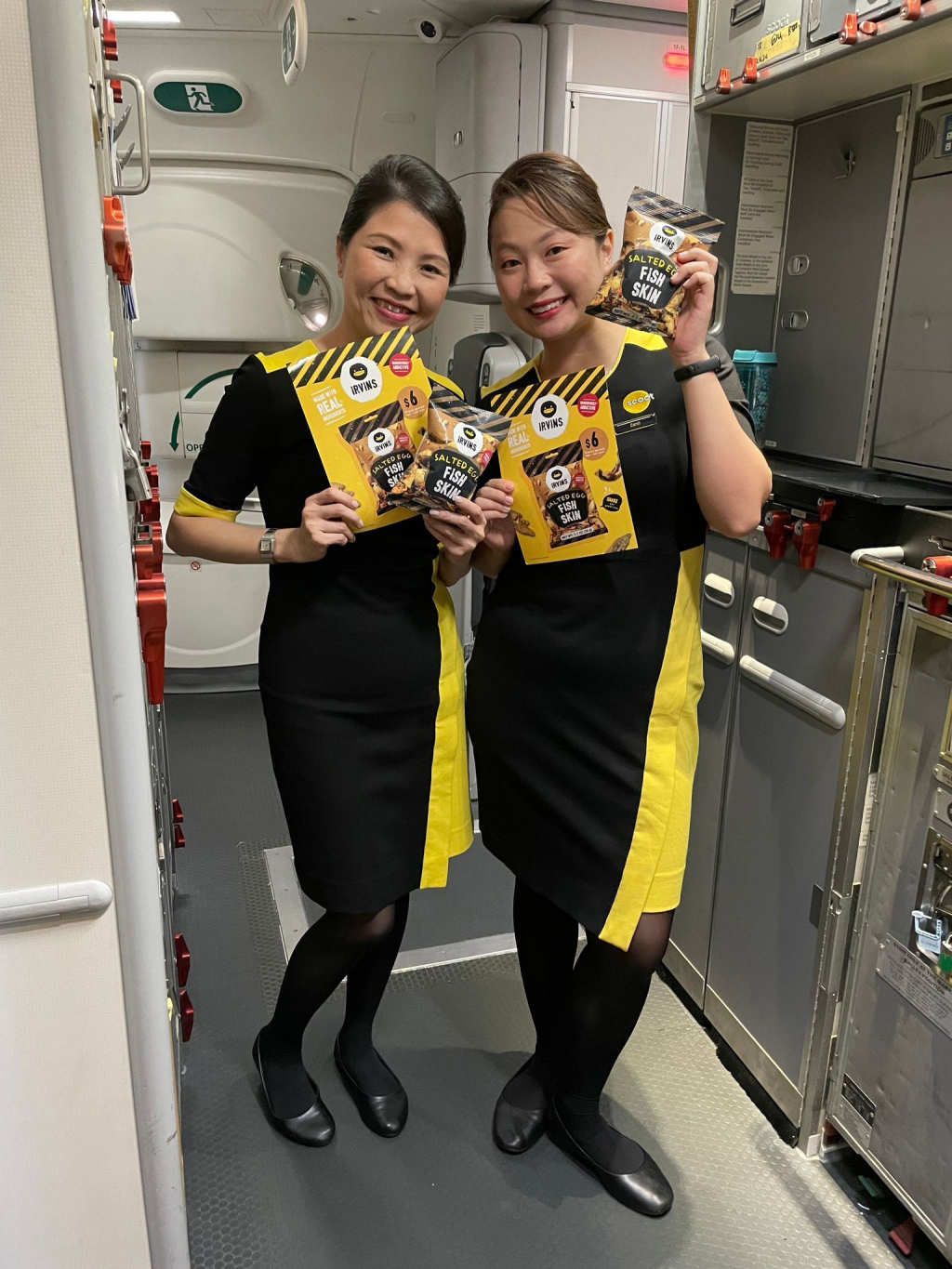
“We don’t want customers thinking, ‘I’ll buy when it’s 20% off,’” Reno explains. “We want them thinking, ‘This is my go-to snack when I want something indulgent or something special to gift.’”
Instead of price cuts, IRVINS leans on:
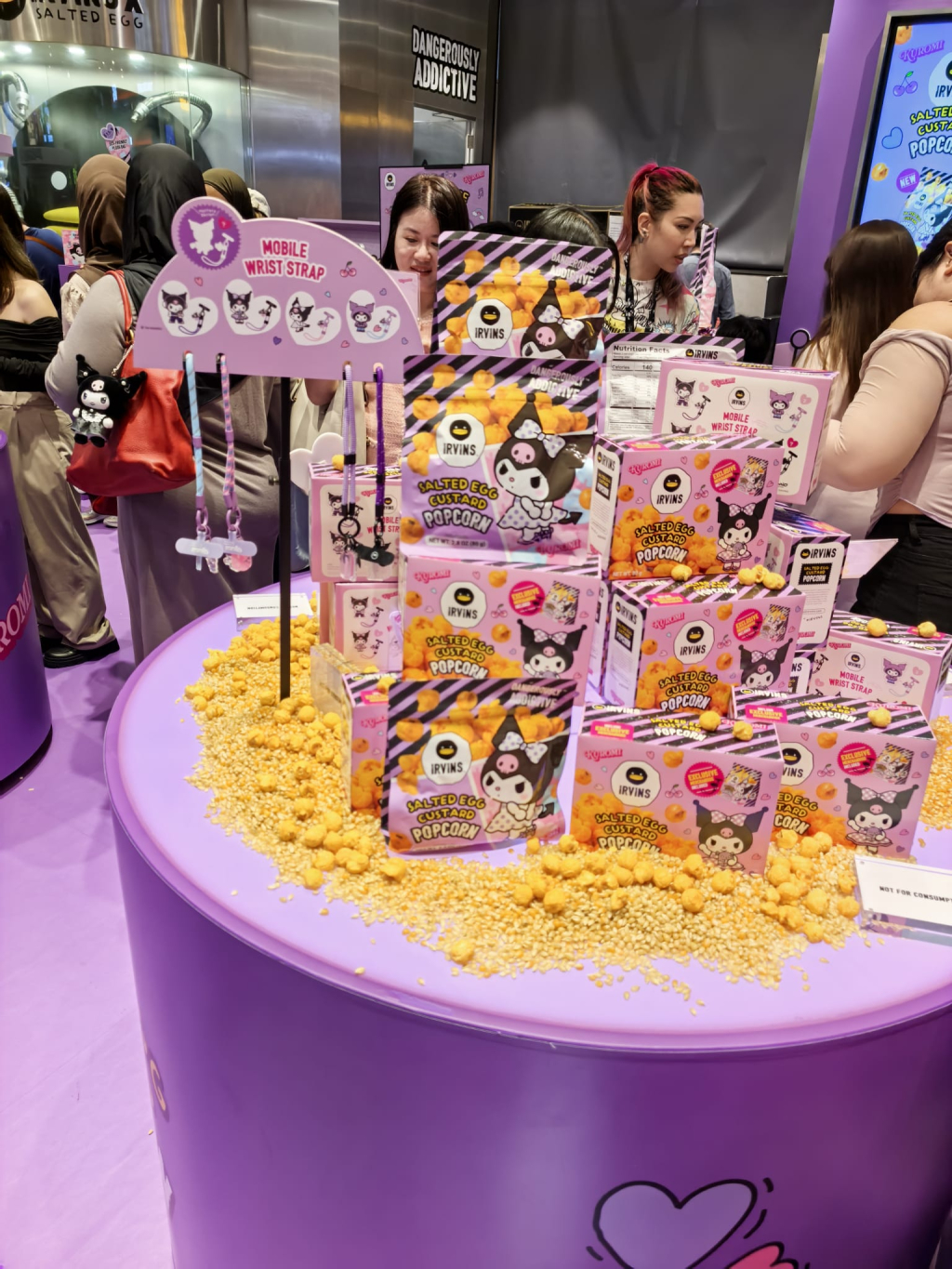
- Limited flavours and exclusives
- Collaborations and IP tie-ins
- Early access for loyal customers
The brand’s Made in Singapore story, handcrafted recipes, and Dangerously Addictive positioning create emotional value beyond price. Taste, texture, and quality become difficult to replicate and the D2C experience makes customers feel they’re buying into the brand, not just a snack.
Once a product is anchored to occasion and experience, customers become less responsive to discounts and more willing to buy at full price.
How to Know You’ve Already Lost Pricing Power
How do you know when customers have already been trained to wait?
Reno points to clear behavioural signals:
- Sales dip days before major campaign dates
- Cart abandonment spikes 20–30% above normal
- Traffic surges just before promotions, followed by a post-campaign drop where sales can fall as much as 50% below BAU
Henry adds a simpler test, “The clearest sign is when your most loyal members stop responding to tactical campaigns.”
Ignore these signals and the downstream impact is severe. Pricing authority erodes, conversion quality weakens, and loyalty collapses as shoppers bounce between brands purely on price.
At that point, the relationship stops being about trust or preference and becomes purely transactional.
What customers notice during retraining is that when brands commit to the shift, the external signals become clear: fewer surprise price drops, more consistent pricing, and loyalty benefits replacing discounts. Early access communications, exclusive bundles, and members-only drops become the new currency of value.
The Internal Battle: What Breaks First
When brands pull back from discounting, customers aren’t the first to panic. Internal teams are.
“The peace in my meeting room broke first,” Henry says. “Everyone immediately wanted to revert to the old way.”
- Sales worries about missed targets.
- Marketing struggles to communicate value without shouting percentages.
- Operations defaults to price-led conversations on the shop floor.
Reno sees the same pattern:
“Weekly promo-driven revenue drops trigger perceived job failure. Panic sets in. Then come the demands for quick fixes.”
The hardest mindset shift is moving from “run promotions to drive growth” to “use brand strength to build sustainable demand.”
At IRVINS, that meant restructuring by aligning sales, retail, e-commerce, and marketing under a single commercial team, with OKRs tied to profitability, not just topline growth.
Henry frames the challenge across every function, “Marketing needs to find ways to communicate products beyond shouting discounts. Operations needs to sell products in-store by highlighting USPs, not just citing prices. Commercial needs to rethink targets and success metrics beyond volume-driven KPIs.”
The struggle is universal. The real question is whether leadership commits to supporting the transition together.
What actually stabilises performance after short-term revenue dips isn’t blind faith, it’s customer validation.
“We believe in the voice of the customer. When customers tell us they value what we’re building more than what we’re discounting, that’s the conviction teams need to stay the course.”

The Retraining Playbook: How Brands Escape the Trap
1. Audit the Signals
Watch what happens before promotions, not during them. Pre-promo dips and abandonment spikes are early warning signs that customers are already trained.
2. Shift the Metric
Stop celebrating sales spikes without measuring what they cost. Compare margins and profitability between campaign periods and business-as-usual to understand whether baseline demand is strengthening or weakening.
3. Create Real Scarcity

“It’s infuriating when customers pay full price one week only to see the same item discounted the next. That trains them to never trust your pricing,” Henry says.
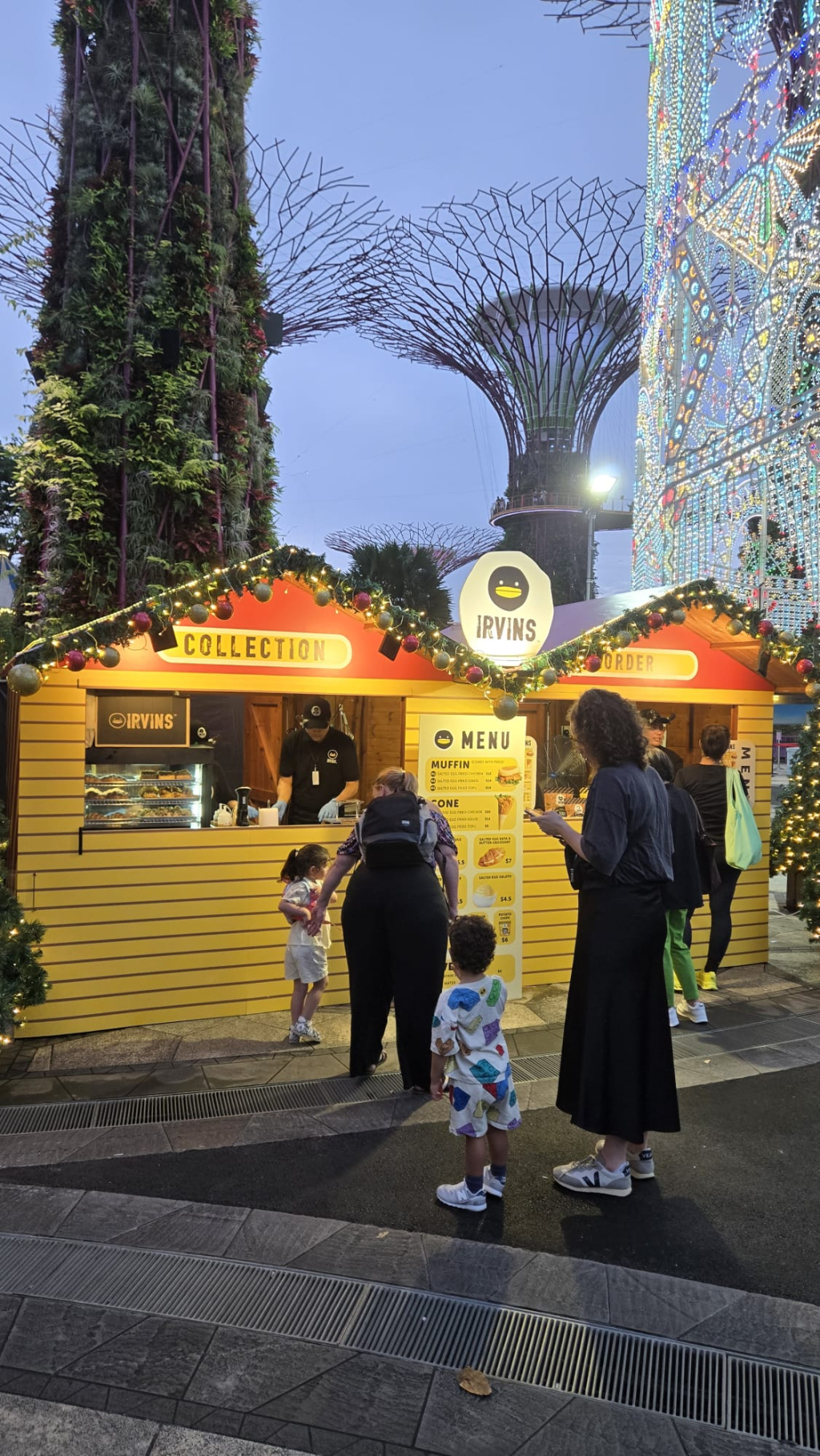
At Metro, early access during Black Friday gave loyal members priority, not deeper discounts- reinforcing that access, not price, was the reward. At IRVINS, limited seasonal flavours and exclusive drops rarely go on sale where waiting often means missing out entirely.
“When customers value being in the ecosystem more than waiting for markdowns,” Reno adds, “full-price buying starts to normalise again.”
4. Commit to Patience
This is not a light switch. It’s an evolution.
“We can’t stop discounting overnight without compromising short-term revenue,” Henry says. “The goal is to manage the transition carefully, so we don’t lose today’s shoppers before we attract tomorrow’s.”
At IRVINS, this patience was paired with concrete shifts: moving promotions from price cuts to value-add mechanics like exclusive launches, bundles, and loyalty-led access, supported by lifecycle targeting and refreshed brand storytelling.

Final Thought
Discounting didn’t become dangerous because customers changed. It became dangerous because brands stopped standing for anything else.
The retailers that win next won’t out-discount the market. They’ll out-communicate value and retrain customers to recognise it.
Industry insights provided by Henry Christian, Head of Loyalty, Marketing & Partnerships at Metro Singapore, and Reno Chow, SVP Commercial at IRVINS.
At eTail Asia, senior retail leaders go deeper into how they’re rebuilding pricing power, loyalty, and demand without defaulting to discounts. Download the agenda to see the conversations shaping what comes next.